
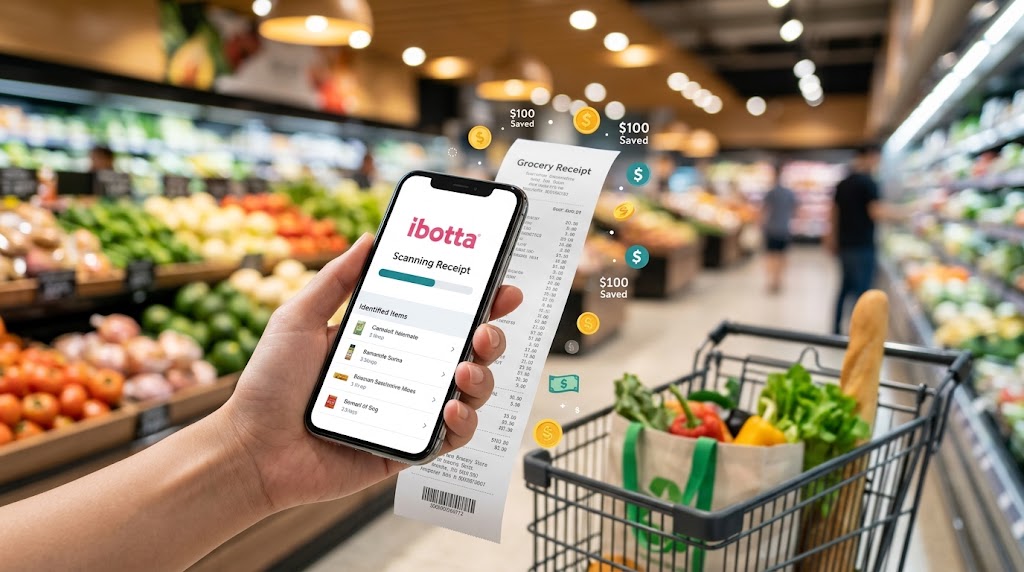
We shop at grocery stores to buy fresh or frozen foods. Either way, you can save money on groceries with a few simple habits. As a result, these tips can save you around $100 to $200 a month on average—even without clipping paper coupons.
Transparency Note: My Cash Back Reviews is an independent site. I personally test grocery shopping apps, coupon strategies, and money-saving tools to provide honest, practical guidance. This post contains affiliate links; if you use my links to sign up for services I recommend, I may earn a small commission at no additional cost to you, which helps support the maintenance of this site.
Savings add up, and the ideas listed here can save you hundreds on groceries every year. Studies show shoppers care about quality and value whether they buy fresh or frozen groceries, and there are plenty of ways to lower your bill without giving up good food.
Quick Summary: 24 Ways to Save Money on Groceries
- Shop at Club Stores – Buy staple items in bulk at Costco, Sam’s Club, or BJ’s for lower unit prices.
- Use Store Loyalty Cards – Sign up for free member discounts on everyday essentials.
- Use Coupons – Check mailers, store websites, or apps for grocery coupons.
- Try Cashback Apps – Use Fetch, Ibotta, or Upside for cashback on receipts.
- Use Cashback Credit Cards – Earn 2–5% cashback on eligible grocery purchases.
- Shop at the Right Time – Go on sale days or restock days for better selection and deals.
- Make a Shopping List – Check your pantry and fridge first to avoid impulse buys.
- Buy Family Sizes Strategically – Only buy bulk or family packs when you will finish them before expiration.
- Buy Store Brands – Often cheaper than name brands with similar quality.
- Combine Offers – Look for multi-buy and bundle discounts.
- Don’t Shop Hungry – Avoid impulse snacks and ready-to-eat items.
- Choose the Right Store – Compare everyday prices across stores.
- Compare Prices Online – Check store websites or apps before heading out.
- Share Club Memberships – Split household/member access where allowed to lower membership costs.
- Review Past Receipts – Spot price patterns and better deals on repeat buys.
- Check Expiration Dates – Pick items with plenty of shelf life to prevent food waste.
- Shop with a Partner – A second set of eyes helps keep impulse spending in check.
- Check Weekly Sales – Scan weekly ads and flyers for limited-time grocery deals.
- Watch Packaged & Pre-Cut Markups – Whole ingredients often cost less per pound than pre-cut or heavily packaged options.
- Compare Fresh vs. Frozen Value – Check unit prices on both fresh and frozen options so you pick the better deal.
- Look for Multi-Pack Deals – Buying two or more of a staple can lower the per-unit cost.
- Use Fuel Rewards – Earn gas discounts from grocery spending when available.
- Buy Ahead for Events – Stock up early on sales ahead of holidays and birthdays.
- Stay Consistent – Turn your top 3–5 habits into a repeatable routine.
Proven Ways to Save Money on Groceries Every Week
You can cut your grocery bill noticeably when you put these 24 strategies into practice. Some are classic habits and some are smart tweaks you can start using right away at grocery stores across the US.
1) Shop at a grocery club store to save money on groceries
Club stores such as Sam’s Club, BJ’s, and Costco often offer lower unit prices on staple items than standard supermarkets. Buying multi-packs or bulk staples—like three 20 oz bottles of ketchup for $13 instead of three individual 20 oz bottles at $6 each—can quickly bring down your cost per unit.
2) Use your grocery store loyalty card
Most local grocery stores offer a free loyalty program. Entering your phone number or scanning your card at checkout unlocks member-only pricing and digital deals that can shave 10% to 15% off everyday staples like milk and bread.
3) Use store coupons and save on groceries
Check weekly mailers, store apps, store websites, and in-store signage near the entrance or in the aisles. Many shoppers walk right past advertised front-of-store deals and digital coupons that knock dollars off regular shelf prices.
4) Use a cashback app
Cashback apps like Fetch Rewards and Ibotta let you earn rewards back on eligible grocery purchases and receipt scans. Many shoppers stack apps—such as using Fetch Rewards (Code: NCTUU3) alongside Ibotta—to get extra value from the same shopping trip.
You can also check apps like Upside for cashback offers at participating locations and gas stations, then redeem earned rewards for gift cards, bank transfers, or PayPal cash depending on the app.
5) Use a cashback credit card for grocery purchases
If you pay your balance in full each month, a cashback credit card can return 2% to 5% on eligible grocery purchases (and sometimes gas or dining). Check your bank’s offerings or compare cards that reward everyday grocery spend.
6) Shop for groceries at the right time to save money on groceries
Pay attention to when your local store launches its weekly ad and restocks shelves—often mid-week (such as Tuesday or Wednesday). Shopping early in the restock cycle helps you catch regular-priced items before popular stock runs low and forces you toward pricier alternatives.
7) Create a shopping list to save money
Check your pantry, fridge, and freezer before you leave so you don’t buy duplicates of things you already have. A quick list on your phone keeps you focused on what you actually need.
💰 Level Up: Read the Ultimate Guide to Boosting Your Savings to see how I saved my first $10k.
8) Buy family sizes strategically
Family-size and bulk packs save money only when you actually use them before they spoil or go stale. If a large pack is cheaper per ounce and you have the storage space and appetite to finish it in time, go for it—otherwise, stick to a smaller size so nothing goes to waste.
9) Buy store brands to save money on groceries
Store brands are often 10% to 20% cheaper than national brands across pantry staples, canned goods, dairy, and beverages. Most taste very similar to name brands, making them an easy way to trim your bill.
10) Combine offers to save cash on groceries
Watch for multi-buy promotions, digital coupons, and cashback offers that overlap on the same item. Buying two or three of a staple during a multi-buy promo can lower your unit cost compared to buying one at a time.
11) Don’t shop when you are hungry
Shopping right before lunch or dinner makes impulse snacks, bakery treats, and ready-to-eat foods much harder to resist. Eating a quick snack beforehand helps you stick to your planned list.
12) Be picky about where you shop
Base prices vary from store to store. If a lower-priced store is a few miles away, combine errands—like groceries, gas, pharmacy pickups, or appointments—into one trip so you save both money and driving time.
13) Compare grocery stores to cut grocery costs
Checking prices on grocery websites or apps before you shop makes it easy to spot which store has the better price on your regular staples. Over a few trips, you’ll build a clear mental map of where to buy what.
14) Share club memberships thoughtfully
If a club membership allows household or authorized additional members, splitting eligible access with family or housemates can lower your annual membership cost. Always check the club’s current membership terms so you stay within its rules.
15) Review past receipts to plan ahead
Looking over recent grocery receipts helps you catch price creep, spot items you overpaid for, and see which stores consistently offer better prices on your repeat buys.
16) Check the expiration date
Always check “Best By” or expiration dates on dairy, produce, bread, and pantry/canned items. Buying something that expires soon—especially for a future holiday or event—risks tossing it unused.
17) Shop together
Shopping with a partner or family member can help you stay accountable to your list and talk through whether an unplanned item is really worth it.
18) Check weekly sales
Don’t toss weekly flyers or skip the weekly ad in the app without a quick scan. Holiday sales and weekly promos are prime times to stock up on staples at lower prices.
19) Watch packaged and pre-cut markups
Pre-washed, pre-chopped, and heavily packaged foods usually cost more per pound than whole, uncut items. Because of that markup, buying whole vegetables and prepping them at home is often much cheaper.
20) Compare fresh vs. frozen value
Don’t assume one is always cheaper—compare the price per ounce. Fresh produce can win on price during peak season, while frozen fruits and vegetables often offer strong value year-round with less spoilage risk.
21) Look for multi-pack and combo deals
Multi-packs or “buy X, save Y” deals on everyday items can cut 10% to 25% off the single-item price. Even so, make sure the total still fits your budget and how fast you use the item.
22) Use fuel rewards
If your grocery chain offers fuel points, redeeming them at participating gas stations can knock cents off every gallon—for example, saving 10¢/gal or more after qualifying grocery spend.
23) Buy ahead for special occasions
Plan ahead for birthdays, holidays, and gatherings by picking up non-perishables and decorations a few weeks early when they go on sale, while checking dates on any food items.
24) Make smart grocery habits second nature
Saving on groceries gets much easier once your core habits become automatic. Start with two or three changes this week, and build from there.
Final Thoughts on How to Save Money on Groceries
Frugal grocery shopping doesn’t require extreme couponing—it comes down to simple habits and awareness. Try a few of these 24 tips on your next trip, and you’ll start seeing the difference at checkout.
Frequently Asked Questions (FAQ)
- What is the fastest way to save money on groceries without coupons? Shopping smart at club stores or discount grocers, buying store brands, and using cashback apps like Fetch or Ibotta can lower your costs without clipping paper coupons.
- Are cashback apps safe to use? Reputable cashback apps use standard security and encryption practices, though you should always review each app’s privacy policy and only share what’s needed to claim rewards.
- Which day of the week is best for grocery shopping? Many stores restock and run weekly promos mid-week (often Tuesday or Wednesday), making mid-week a great time to shop before weekend crowds and stockouts.
Want more ways to stretch your budget? Check out our Fetch Rewards referral guide or browse more cashback and coupon guides on My Cash Back Reviews.
You can also check official program details directly on Fetch, Ibotta, or Upside before you shop.