
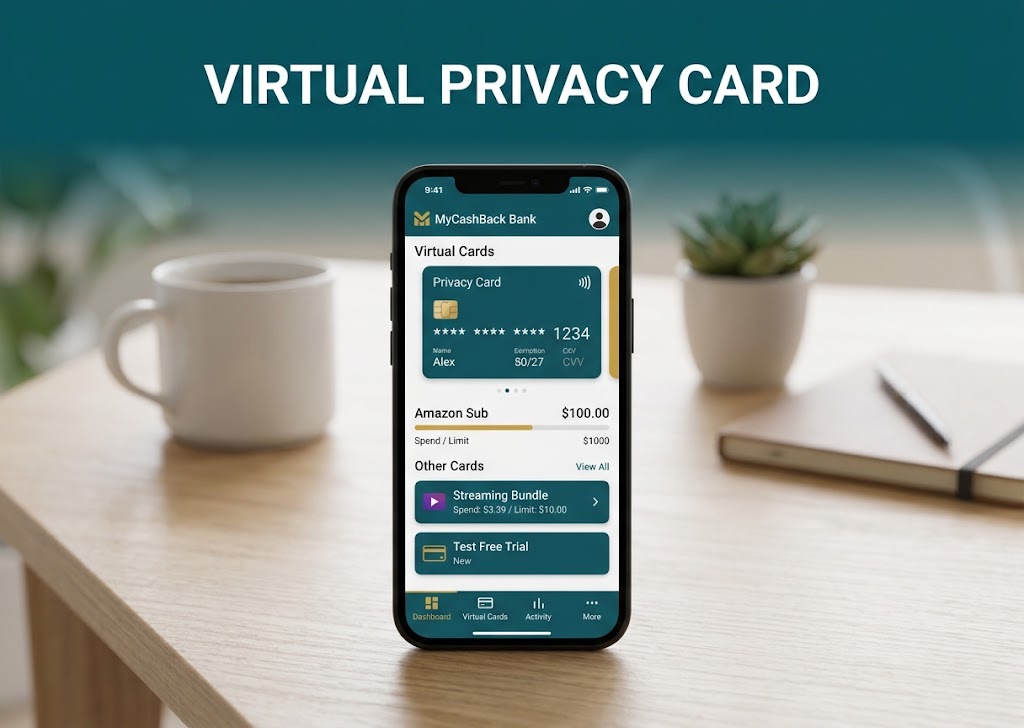
Have you ever signed up for a “7-day free trial” software, set a mental reminder to cancel, and then completely forgot—only to get hit with a surprise annual charge two weeks later? Yeah, I’ve been there, and honestly, it’s super frustrating. Companies rely on that exact friction to keep charging your main debit or credit card. When you want to protect your wallet online, using a privacy card is one of the smartest tech moves you can make.
Well, I think I found a permanent fix that actually works. While smart shoppers already love using cash-back tools like Rakuten or Ibotta for everyday purchases, managing your digital subscriptions requires a totally different tool. Let’s talk about virtual credit cards and how a privacy card can save your checking account.
What is a Privacy Card, Anyway?
In my experience, people get a bit nervous when they hear “virtual card” because it sounds complicated. But it’s actually pretty simple. Think of a privacy card as a disposable, digital-only shield between your real bank account and the internet.
Services like Capital One, Privacy.com, or Revolut let you spin up a temporary 16-digit card number right from your phone or browser extension in about 30 seconds. The merchant never sees your real checking account details. If there’s a data breach on some random online store, your actual bank card stays completely safe.
Why a Privacy Card Stops Subscription Traps Cold
Here is why I started using a privacy card for every free trial and software download:
- Set Hard Spending Limits: You can lock a privacy card to a strict maximum amount—say, exactly $4.99 for that one-month trial. If the company tries to auto-renew at the full $99 annual rate later, the charge gets instantly declined.
- Burner Expiration Dates: You can set a custom expiration date so the card dies right when your trial period ends. No cancellation buttons required, and no awkward customer support chats.
- Total Peace of Mind: Maybe you’re testing out an app and aren’t entirely sure if you’ll keep it. Using a virtual card gives you full control over when the money stops flowing.
More Ways to Plug Your Digital Money Leaks
If you’re cleaning up your digital subscriptions and online spending, don’t stop at virtual cards. Here are a few other smart guides to help you out:
- Before you buy anything online on impulse, check out the 30-day rule to stop impulse buying.
- If your streaming bills are creeping up, give our breakdown on how much YouTube TV costs and smart tips to save a quick read.
- And if you’re shopping around, watch out for common online shopping cart mistakes that silently tack extra fees onto your order.
Take five minutes today to lock down your recurring charges, and keep your wallet safe!