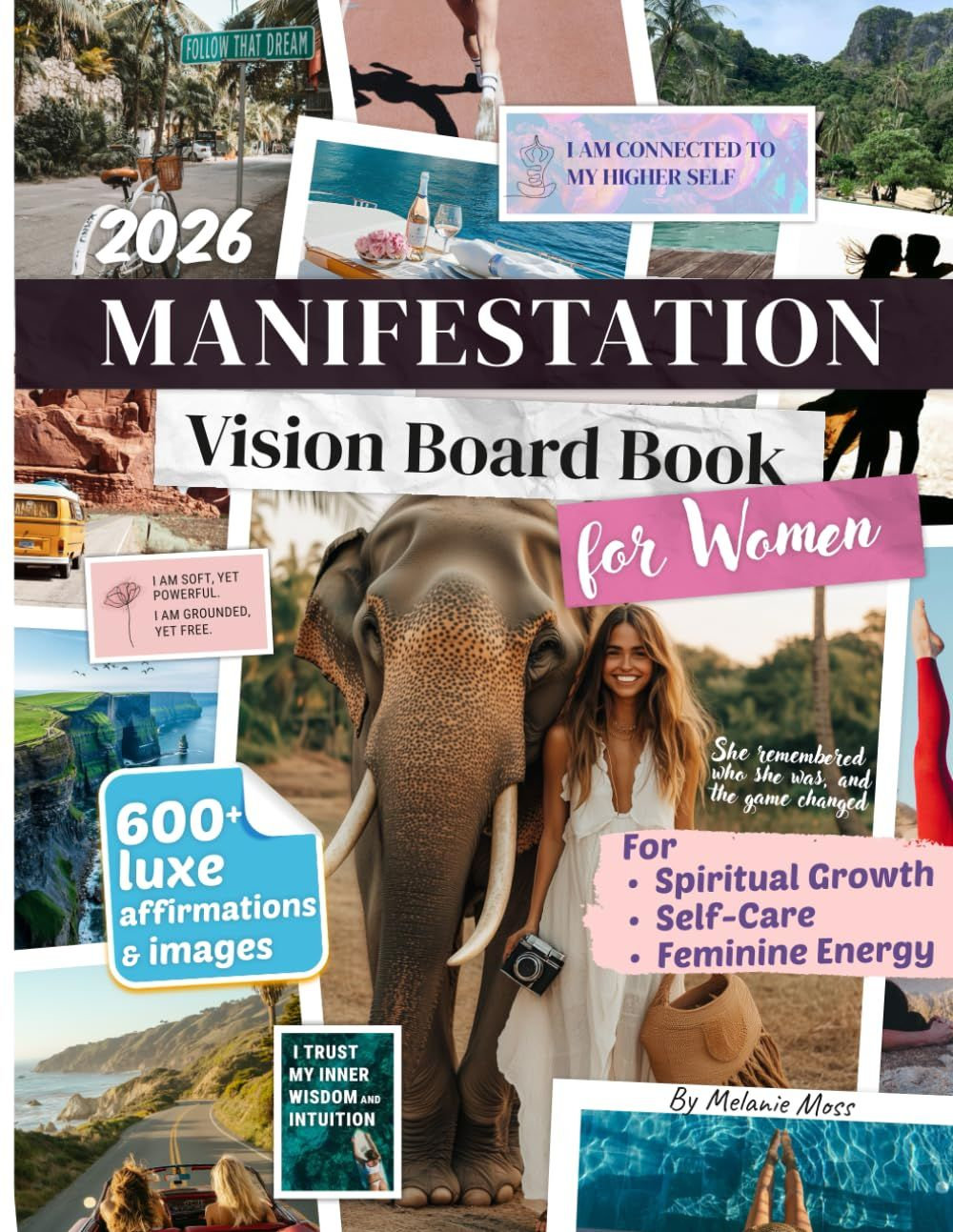
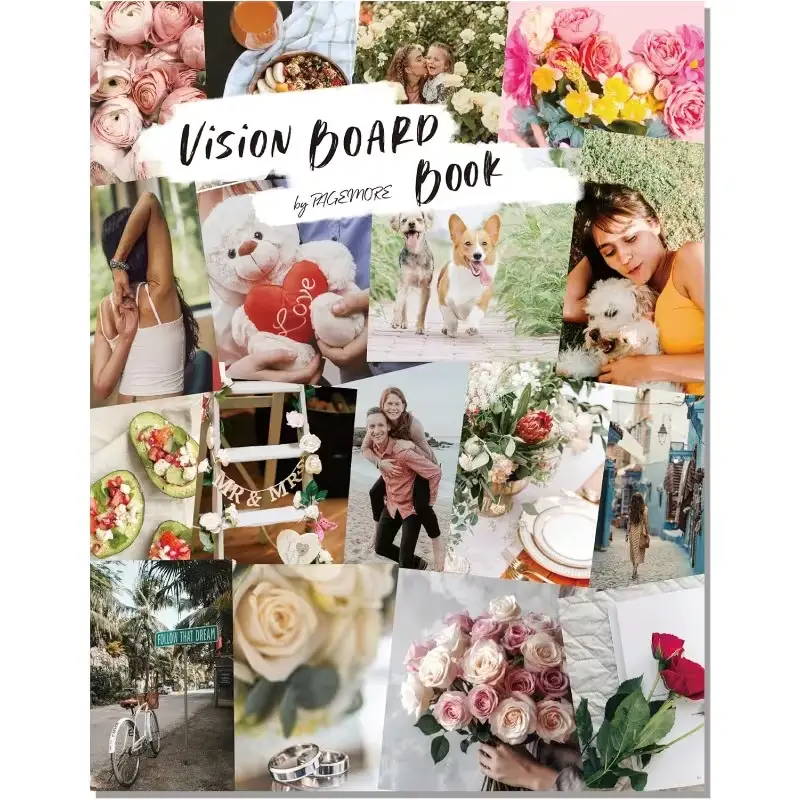
If you’ve ever tried to create a vision board, you probably ran into this problem.
Too many ideas. Too many images. Too much pressure to “get it right.”
Transparency Note: My Cash Back Reviews is an independent site. I personally research goal-setting tools, productivity methods, and visualization techniques to provide honest, practical guidance. This post contains affiliate links; if you use my links to sign up for tools or services I recommend, I may earn a small commission at no additional cost to you, which helps support this site.
And honestly? That’s not how it’s supposed to feel.
A vision board should help you focus. Not overwhelm you. Not make you feel behind.
Just… guide you a little.
In this post, you’ll find simple vision board goals and ideas you can actually use. No complicated categories. No perfection. Just clear visuals that make sense for real life.
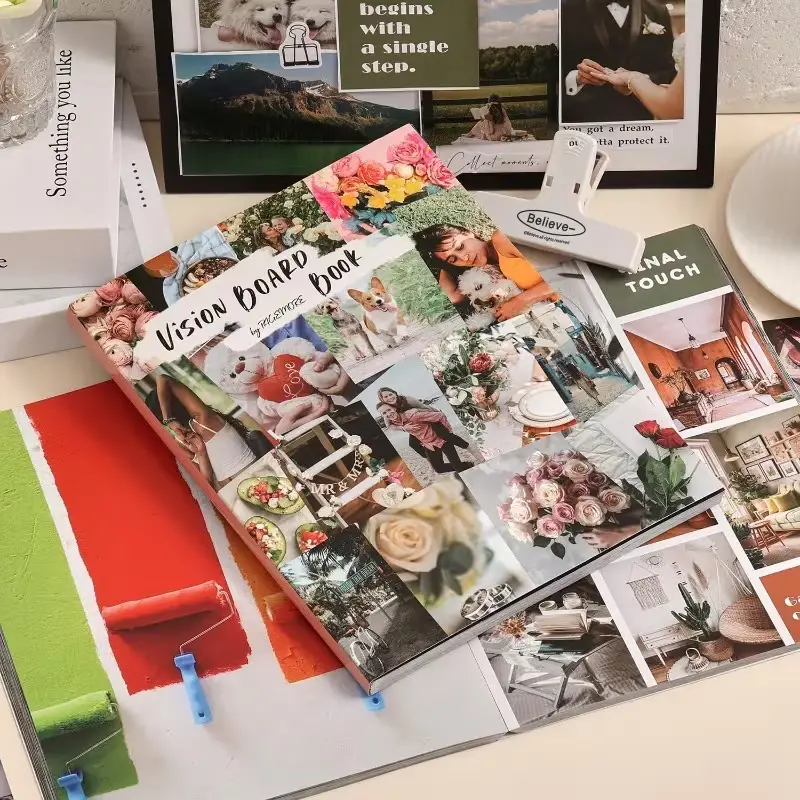
What Are Vision Board Goals?
Vision board goals are visual reminders of what you want more of in your life.
Instead of writing long goal lists, you use pictures. Each picture represents a goal, a direction, or even just a feeling you’re aiming for.
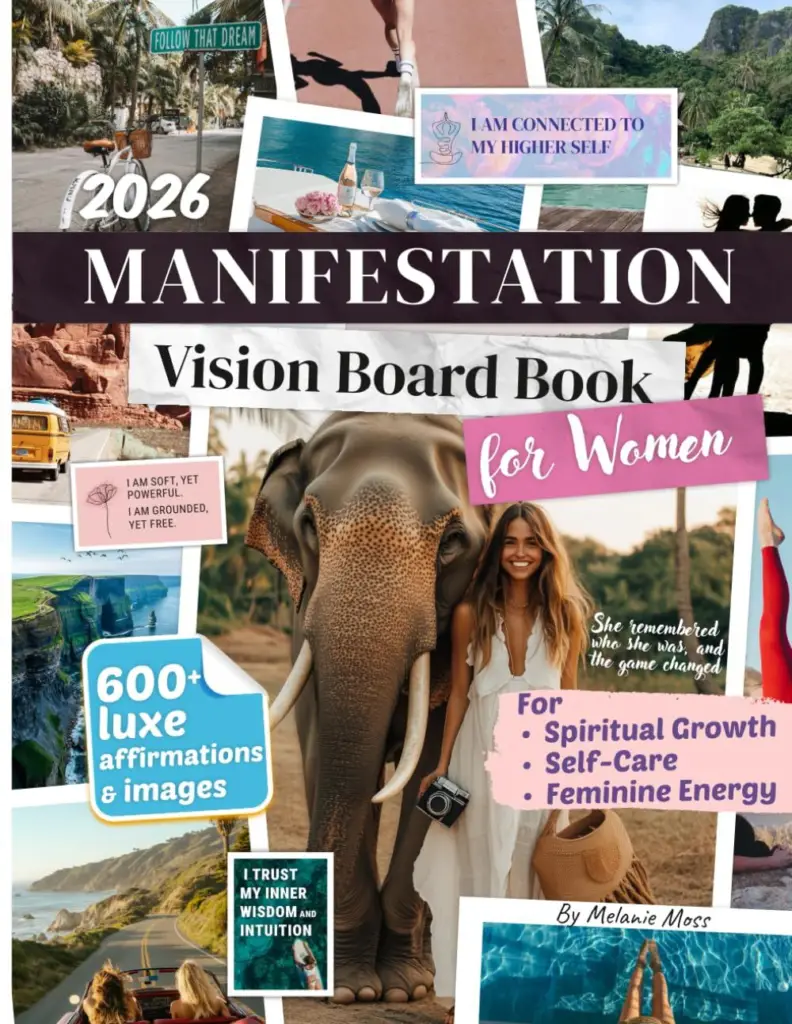
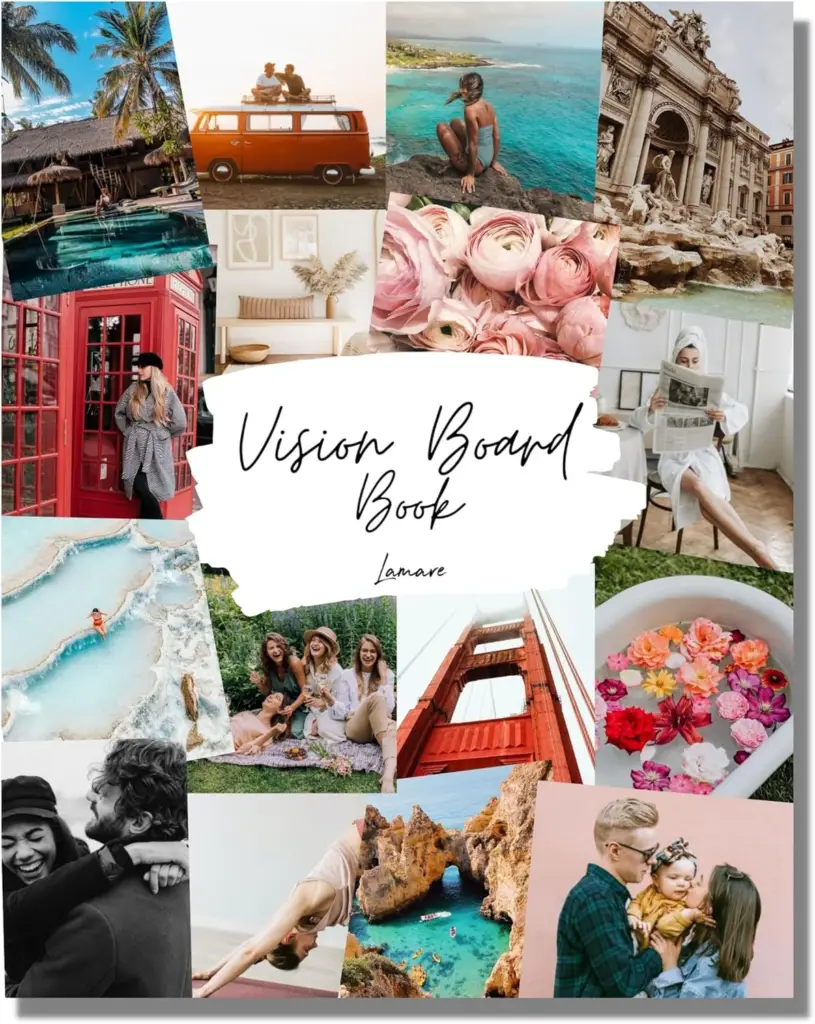
I think this is where people get stuck. They assume goals have to be specific and detailed. But in my experience, the most effective vision boards are simple. Almost obvious.
You look at an image and instantly know why it’s there. That’s it.
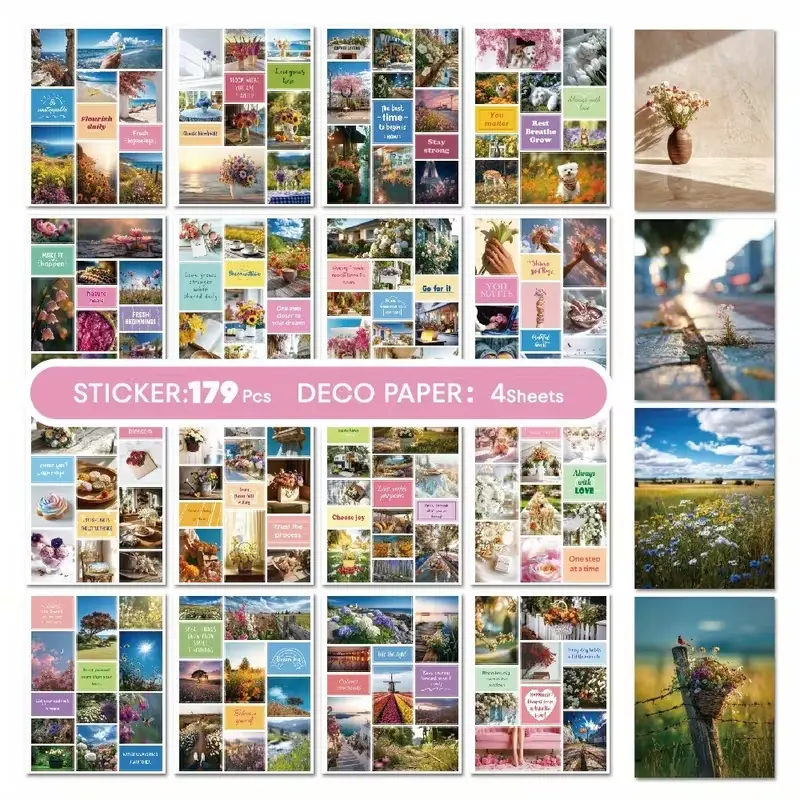
Why Simple Vision Board Goals Work Better
You might be wondering, shouldn’t goals be specific?
Maybe. Eventually.
But at the vision board stage, simplicity works better.
Generic vision board goals:
- Reduce pressure
- Feel more achievable
- Adapt as your life changes
It’s kind of like using a compass instead of a GPS. You know the direction, even if the exact route changes. And let’s be honest, it usually does.
This is also why simple vision board ideas perform so well on Pinterest. They’re relatable. They don’t demand commitment right away.
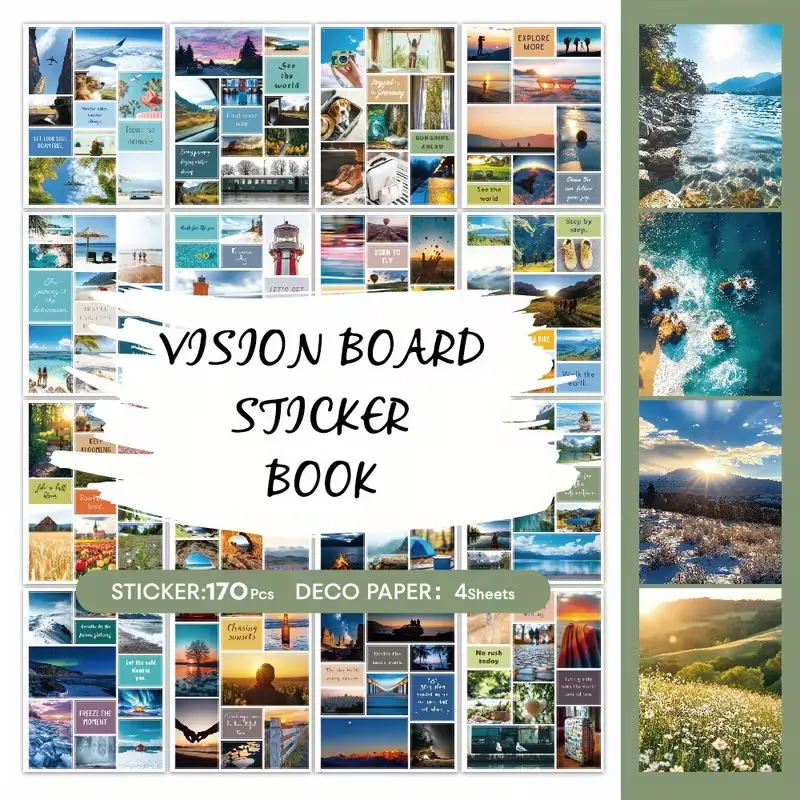
Vision Board Ideas for Everyday Life
You don’t need ten categories. You don’t need fifty pictures.
You probably need five goals, maybe six.
Below are vision board goals anyone can use, regardless of age, career, or lifestyle.
Financial Stability Vision Board Goals
This goal isn’t about luxury.
It’s about feeling steady.
Vision board picture ideas:
- A tidy wallet
- A savings jar
- A paid-bills checklist
- A calm, minimal home
When you look at these pictures, you should feel relief.
If the image creates stress, it’s the wrong one. Simple rule.
Career and Purpose Vision Board Goals
Career goals don’t always mean climbing faster. Sometimes they mean breathing easier.
Vision board picture ideas:
- A quiet workspace
- A laptop and notebook
- Someone working with focus
- A simple progress chart
You’re not visualizing a title here.
You’re visualizing how you want your workdays to feel.
Peaceful Daily Life Vision Board Goals
This one is underrated.
But most people secretly want this more than anything else.
Vision board picture ideas:
- Coffee and a journal
- A slow morning routine
- Soft light by a window
- A clean, cozy room
This goal sets the tone of your life.
Not loud. Not flashy. Just calm.
Personal Growth Vision Board Goals
Personal growth doesn’t have to be dramatic.
Actually, let me rephrase that. It usually isn’t.
Vision board picture ideas:
- Books
- Journals
- Learning setups
- Simple motivational quotes
I’m not entirely sure why these images work so well, but they do. Maybe because they suggest progress without pressure.
Health and Energy Vision Board Goals
This isn’t about extreme fitness.
It’s about feeling better, most days.
Vision board picture ideas:
- Walking outdoors
- Stretching at home
- Simple, healthy meals
- Restful sleep scenes
Choose images that feel realistic.
Not guilt-driven. That matters.
Vision Board Examples (Simple and Realistic)
Here are a few vision board examples to make this concrete.
- Financial stability example: a savings jar + clean desk
- Peaceful life example: morning light + coffee journal
- Personal growth example: books + learning space
Notice something?
Each example uses just a few images. That’s enough.
How to Choose Vision Board Pictures
This part is important, so keep it simple.
Ask yourself:
Do I instantly understand why this picture is here?
If yes, keep it.
If no, skip it.
Good vision board pictures:
- Feel calm
- Feel personal
- Represent direction, not perfection
Avoid images that look impressive but don’t connect to your real goals.
Digital Vision Board Ideas: Create a Vision Board Online
Digital vision boards are easier to manage. And update. And share.
You can create a vision board online using:
- Canva
- Your phone wallpaper
- A Google Drive image folder
Digital boards also work perfectly with Pinterest traffic, which is a big plus.
Vision Board Apps and Online Tools
If you prefer apps, that’s fine too.
Popular options include:
- Canva
- Simple vision board apps
- Pinterest private boards
Personally, I think simple tools work best. The tool shouldn’t become the project.
Using Pinterest for Your Vision Board
Pinterest is actually a great place to build a vision board.
You can:
- Save vision board pictures
- Create a private board
- Organize ideas by feeling or goal
It’s visual. It’s flexible. And honestly, it’s where most people already search for vision board ideas anyway.
Vision Board Templates and Supplies (Optional)
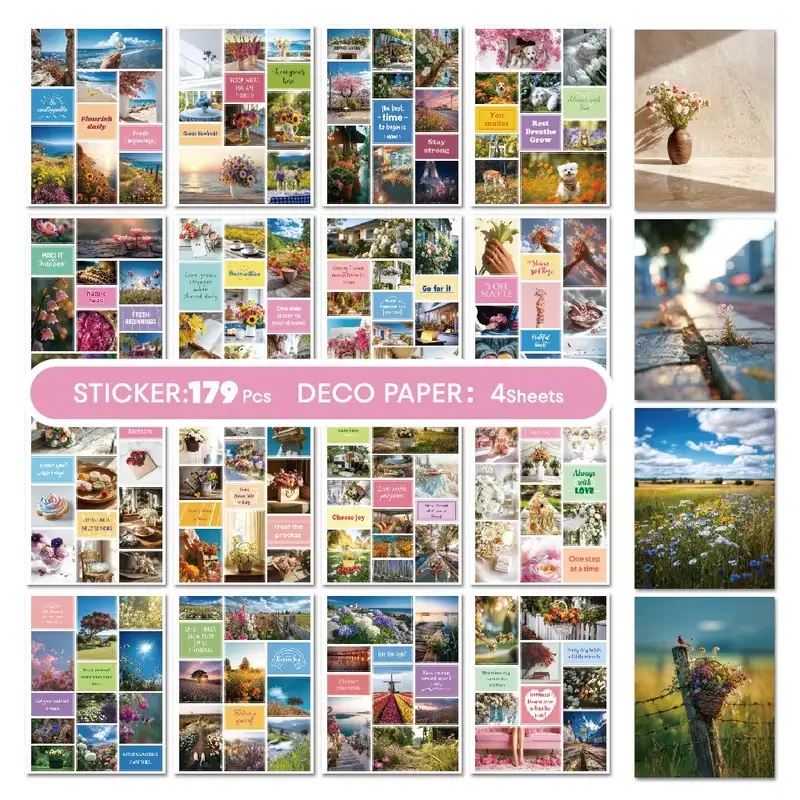
If structure helps you, you can use a vision board template.
Templates are useful, especially for beginners. But you don’t need one to start.
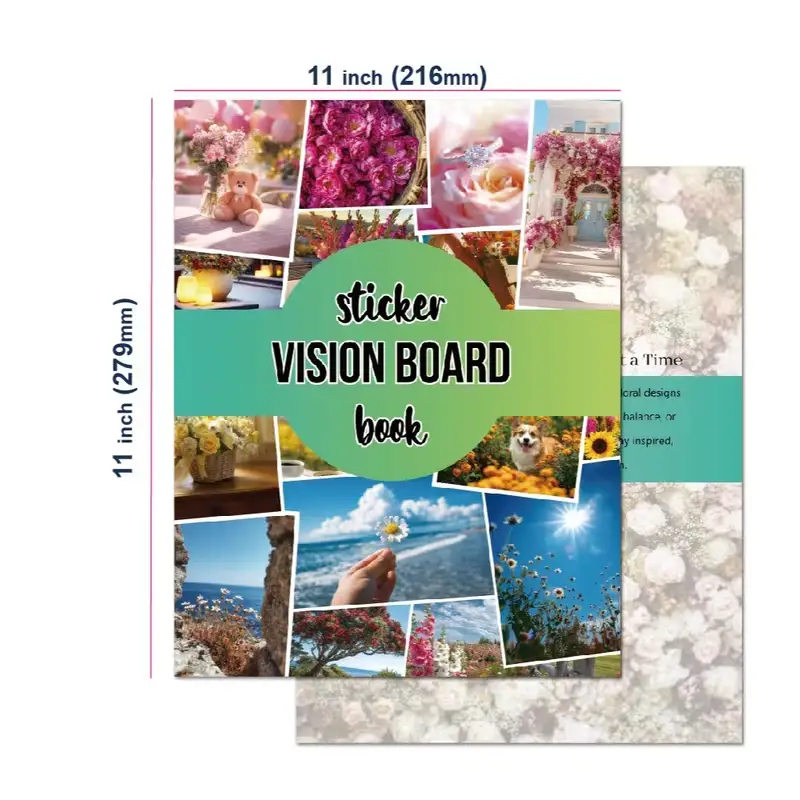
If you prefer physical boards, basic vision board supplies include:
- Poster board
- Printed pictures
- Glue or tape
- Markers
Keep it simple. Don’t overbuy.
How to Use Your Vision Board Daily
A vision board only works if you actually see it.
You don’t need a ritual. You don’t need affirmations if they feel awkward.
Just look at it.
Once a day is enough.
One or two minutes.
Think of it like checking a map. You’re reminding yourself where you’re heading — not forcing anything.
My Personal Take on Vision Boards
I’ve found that most people fail at vision boards because they treat them as “art projects” rather than “strategic roadmaps.” My “Pro-Tip”: Don’t just slap a picture of a dream car on a board and hope for the best. I’ve realized that a vision board is only effective when it’s paired with financial tracking. When I put a specific “savings milestone” image next to my dream home, it forces my brain to connect the visual goal with the daily discipline required to get there. It makes your long-term dreams feel like tangible, achievable steps.
Expert Strategy: The “Three-Tier” Visualization
The most effective vision boards aren’t random; they are structured. Use the Three-Tier Visualization strategy:
- Tier 1 (Immediate): Goals you can hit in 3 months (e.g., “Pay off one credit card”).
- Tier 2 (Mid-term): Goals for the next 12 months (e.g., “Build a $5,000 emergency fund”).
- Tier 3 (Big Picture): Your long-term vision (e.g., “Debt-free home ownership”). By arranging your board in these tiers, you keep your brain focused on the next logical step while keeping the ultimate prize in sight. This stops you from feeling overwhelmed by the distance to your biggest goal.
Final Thoughts
A vision board isn’t magic.
But it is a quiet reminder.
It keeps your goals visible when life gets busy. And life does get busy.
Probably sooner than you expect.
Keep your vision board simple. Keep it honest.
And let it support you, not stress you.
Frequently Asked Questions
- Should I make a physical board or a digital one? It doesn’t matter! A digital board (on Canva or Pinterest) is easier to update as your goals change, while a physical board in your room provides a constant, unavoidable reminder every morning. Choose the one you are most likely to interact with daily.
- How often should I update my vision board? Review your board quarterly. Your goals should evolve as you achieve them. If you’ve hit a 3-month goal, replace it with the next logical step to maintain your momentum.
- What if I don’t have artistic talent? This isn’t an art contest! Use free tools like Canva or simply print out photos from your phone. The effectiveness comes from the intention behind the images, not the quality of the collage.
- Does a vision board actually work, or is it just “woo-woo”? Science suggests that “priming”—or exposing yourself to your goals visually—helps your brain stay focused on finding opportunities that align with those goals. It doesn’t replace hard work, but it keeps your hard work focused on the right targets.