

Saving money has a bad reputation.
It’s often painted as boring. Restrictive. Like you’re saying no to everything fun. And honestly, that’s probably why so many people give up after a few weeks.
Transparency Note: My Cash Back Reviews is an independent site. I personally test money-saving strategies and budgeting tools to provide honest, practical guidance. This post contains affiliate links; if you use my links to sign up for products I recommend, I may earn a small commission at no additional cost to you, which helps support this site.
But what if saving money didn’t feel like punishment?
That’s where the idea of a savings aesthetic comes in. It’s not about ignoring reality or pretending budgets don’t matter. It’s about changing how saving feels on a day-to-day basis. Softer. Calmer. More intentional. Less “I can’t afford this” and more “I’m choosing this.”
And yes, it actually works.
What Is a Savings Aesthetic?
A savings aesthetic isn’t just cute Pinterest images or pastel planners. That’s part of it, sure. But the real idea is simpler:
Saving money should support your life, not drain it.
A savings aesthetic is about creating money habits that feel natural instead of forced. You design your environment so saving becomes the default, not something you constantly fight against.
Kind of like putting healthy snacks at eye level. Same fridge. Different outcome.
Why Saving Money Often Feels So Hard
Most people don’t struggle with saving money because they’re irresponsible. They struggle because saving feels invisible.
You skip things. You try harder. And then… nothing exciting happens.
No reward. No sense of progress.
A savings aesthetic fixes this by making progress visible and tangible. You see it. You track it. You interact with it. It’s like watching a plant grow instead of just watering dirt and hoping for the best.
That analogy might be slightly dramatic, but you know what I mean.
1. Make Your Savings Visible (This Is a Game Changer)
If your savings only exist inside a bank app, they’re easy to forget about.
Instead, bring them into your daily space:
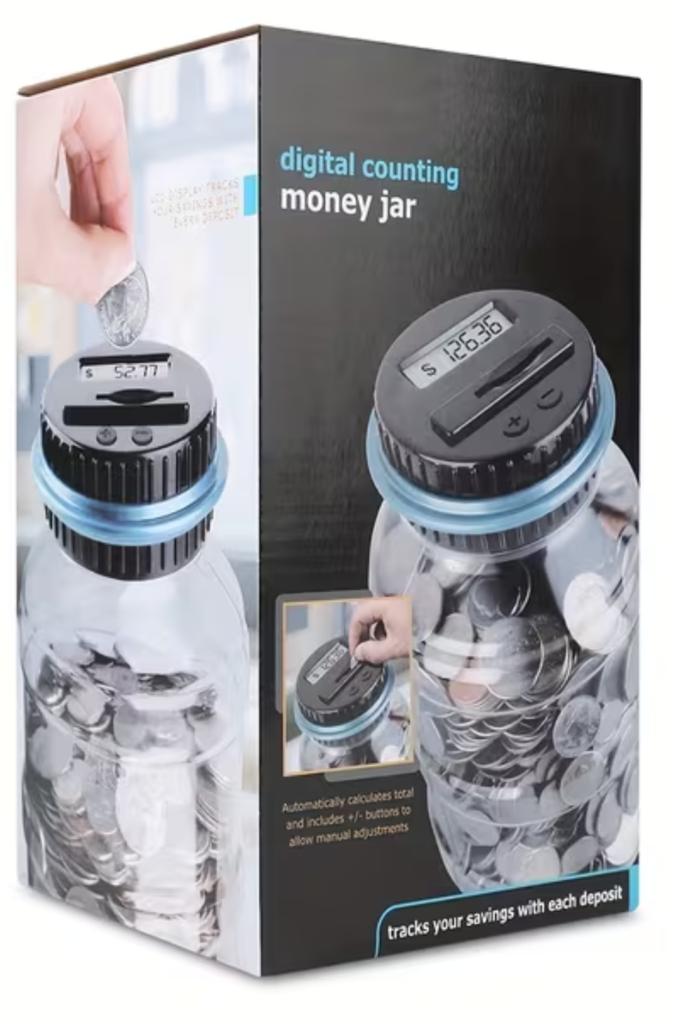
- A clear savings jar (Try a digital counting jar like this one from Temu)
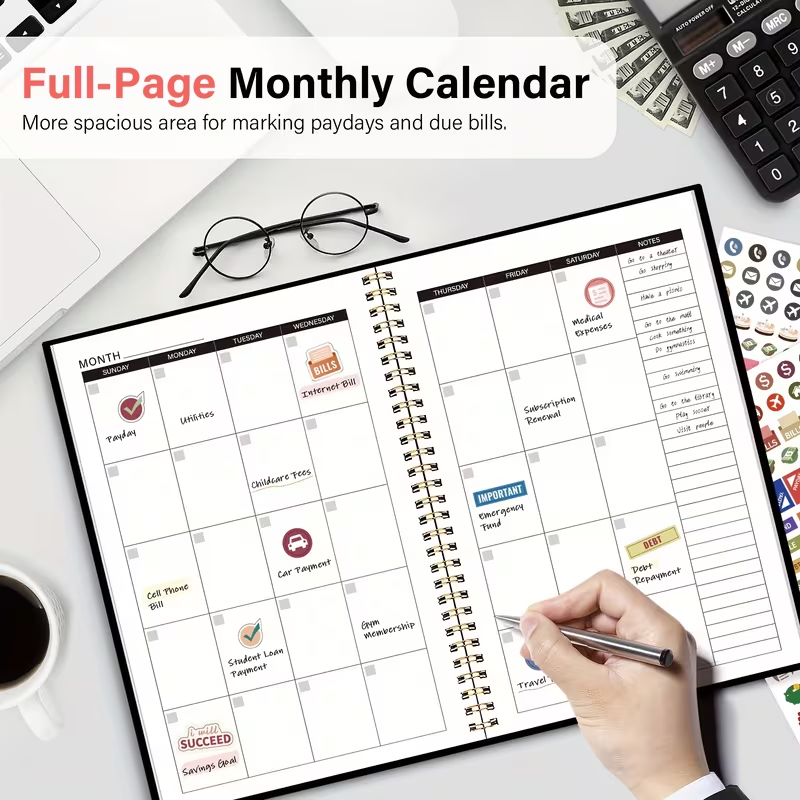
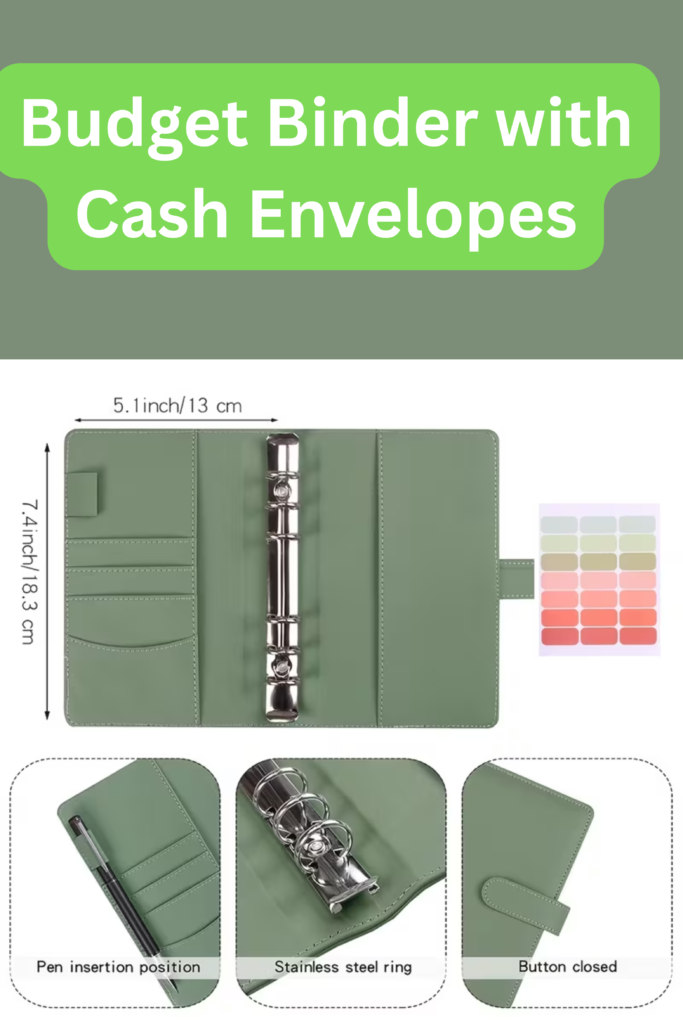
- A simple budget binder (Check out this budget planner)
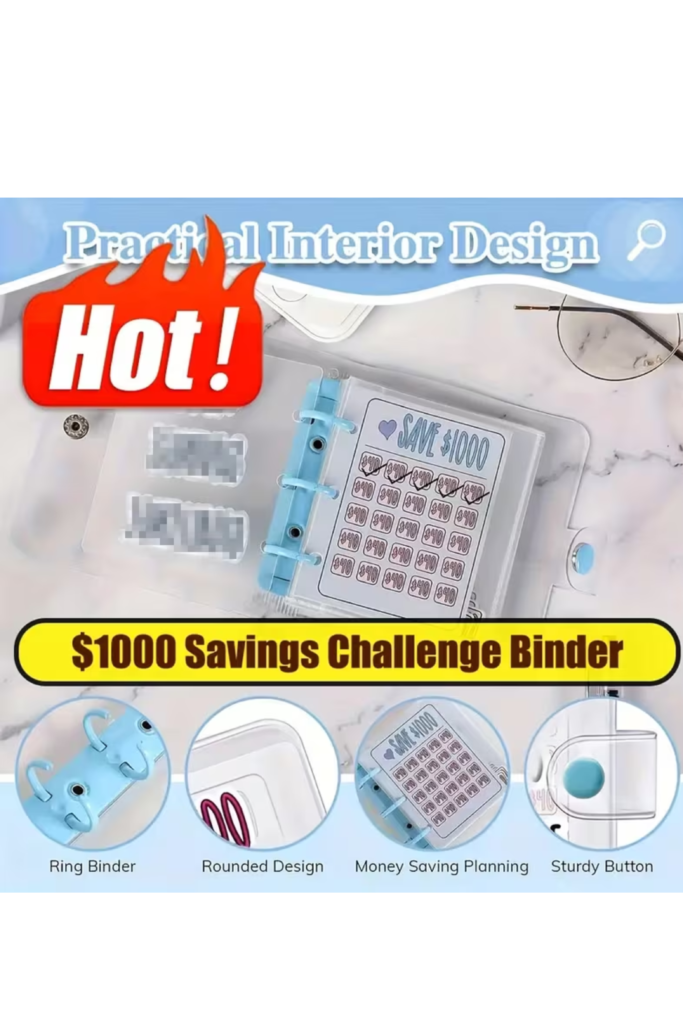
- A printed savings tracker (I like this one from Temu)
- Even a notes app with screenshots of progress
Seeing your savings grow—even slowly—creates momentum. In my experience, this alone reduces impulse spending without guilt. You don’t want to undo progress you can actually see.
2. Use a Budgeting Aesthetic That Feels Gentle
If budgeting makes you tense up, that’s a sign your system is too strict.
Try a softer approach.
Instead of saying:
“I can only spend this much.”
Try:
“After saving first, this is what I get to enjoy.”
Same numbers. Totally different mindset.
This kind of budgeting aesthetic focuses on saving first, then spending mindfully. Some months will be smoother than others. Probably. That’s normal.
You’re building a habit, not a personality trait.
3. Choose Savings Tools You Actually Like
This might sound shallow, but it matters.
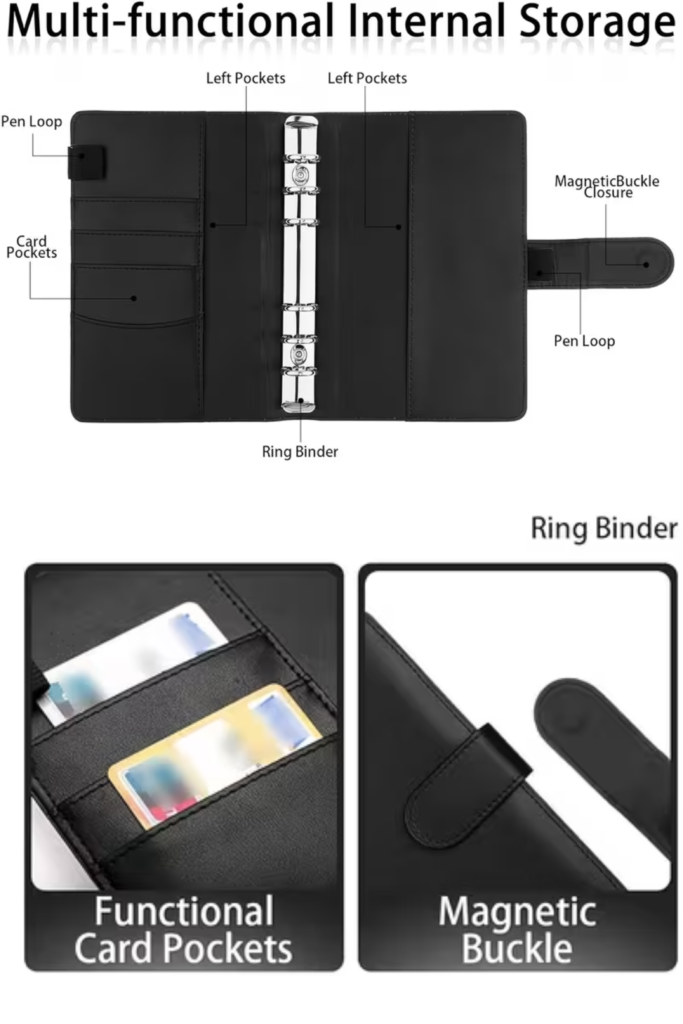
If your savings setup feels stressful or ugly, you’ll avoid it. If it feels calm, clean, or even a little aesthetic, you’ll check in more often.
Think:
- Minimal budget planners
- Clear organizers
- Simple labels
- A clutter-free setup
Saving money is like brushing your teeth. The nicer the toothbrush, the more likely you are to use it. That analogy might be imperfect… but it holds.
4. Create One Small Savings Ritual
Big financial goals can feel overwhelming. Tiny rituals don’t.
Pick one simple habit:
- Add $5 to savings every Sunday
- Move leftover grocery money at the end of the month
- Reset your savings tracker with a cup of tea
- Round up purchases and save the difference
It doesn’t have to be impressive. It just has to happen regularly.
Over time, these small actions accumulate. You won’t notice at first. Then suddenly, you will.
Does a Savings Aesthetic Help Your Credit Score?
I’m not entirely sure why “credit score aesthetic” is trending, but here’s my honest take.
When you save consistently, you tend to make calmer financial decisions. Fewer last-minute purchases. Fewer missed payments. More breathing room.
So instead of obsessing over numbers, focus on building steady money habits. A healthy credit score usually follows. Not instantly. But eventually.
Saving Money Without Feeling Broke Is Possible
A savings aesthetic isn’t about pretending money stress doesn’t exist. It’s about creating a system that feels supportive instead of punishing.
You don’t need to save huge amounts.
You don’t need perfect spreadsheets.
You don’t need discipline 24/7.
You just need a setup that works with you.
Start small. Make it visible. Make it yours.
And if saving has always felt heavy, maybe—just maybe—it doesn’t have to anymore.
My Personal Take on the “Savings Aesthetic”
I’ve found that the biggest barrier to saving isn’t a lack of money; it’s the psychological dread of “deprivation.” When I started making my savings progress visible—using a simple tracker on my desk instead of just hiding it in a bank app—my mindset shifted completely. My “Pro-Tip”: Don’t worry about making it “Pinterest-perfect.” The goal is clarity, not fashion. Whether you use a digital spreadsheet or a physical jar, the moment you can see your progress is the moment you stop seeing saving as a chore and start seeing it as a way to build freedom.
Frequently Asked Questions
Q: Does a “savings aesthetic” actually help me save more money? A: Yes, because it changes your relationship with money. By making your goals visible and your system organized, you reduce the “friction” that causes impulse spending. When you are reminded of your goals every day, you are more likely to make mindful, intentional spending decisions.
Q: What is the most important tool for a beginner to start saving? A: Start with a tool that works for your brain. If you like visual cues, use a savings tracker. If you prefer data, use a simple budget planner or app. The “best” tool is the one you will actually open and update regularly.
Q: Can I really save money without feeling like I’m giving up everything? A: Absolutely. The key is “saving first” and spending mindfully on what you value, rather than trying to cut out everything at once. This approach allows you to prioritize the things that bring you genuine joy while aggressively cutting costs on the things that don’t.